
Best Wild Swimming Lakes in the UK
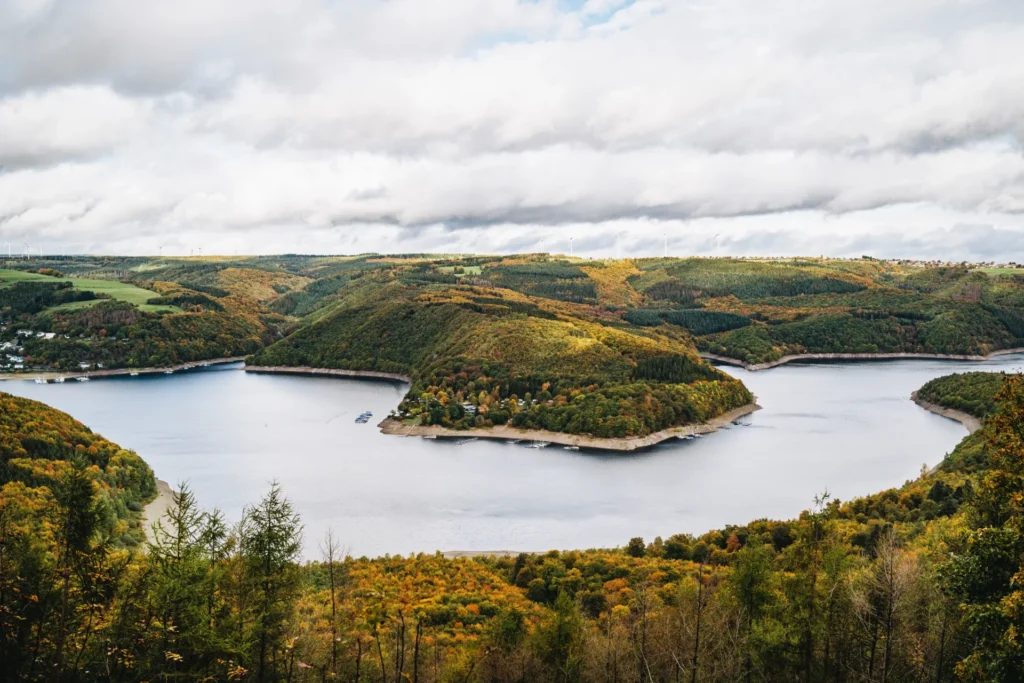
The best wild swimming lakes offer a different experience than rivers or the sea. The still, deep water creates a calming, more leisurely atmosphere, and their unique conditions mean they can remain cold long after summer has arrived. Across the UK, wild swimming lakes, lochs and tarns provide varied scenery, cold water freshness and calming, elemental swims.
This guide brings together some of the best wild swimming lakes in the UK, chosen for their character, setting and the type of swim they offer. As always, water temperature, access and weather should shape your plans. Preparation and local awareness matter more than ticking off famous names.
Llyn Padarn, Llanberis, Snowdonia (Eryri)
Stretching along the valley floor beneath Snowdon, Llyn Padarn is one of North Wales’ most accessible wild swimming lakes. Its long, narrow shape and relatively easy access make it popular with open water swimmers looking for steady, uninterrupted swims, and the surrounding national park provides scenic trails to warm up on after your swim.
The glacial lake retains a strong sense of place, without sacrificing accessibility. Mountain views frame the water, and the lake’s glacial depth means temperatures stay cool even in summer, perfect for exhilarating cold water swims in any season. If you want to understand how cold water affects the body, this guide is worth reading:
Entry points are plentiful, but swimmers should stay aware of temperatures and take precautions to keep warm both in and out of the water. You can check local weather conditions before visiting via the Met Office:
Llyn Padarn suits confident beginners through to veteran swimmers, especially those looking to build their experience in dramatic, yet accessible natural surroundings.

Photo by Josh Willett
Loch Morlich, Cairngorms National Park, Scotland
Set within ancient Caledonian pine forest, Loch Morlich offers a rare combination of sandy shoreline and mountain backdrop. Sheltered by forest yet open to wide skies, it is one of Scotland’s most inviting freshwater swims.
The gently shelving beach makes entry straightforward, and in settled summer weather the loch can feel calm. The Cairngorms National Park is home to a large portion of the UK’s rare wildlife, so swimmers should remain respectful of the environment.
Loch Morlich works well for swimmers new to wild swimming in Scotland, as well as those looking for relaxed, social swims.

Photo by Benjamin Blyth
Malham Tarn, Yorkshire Dales, North Yorkshire
Perched high on the limestone uplands of the Yorkshire Dales, Malham Tarn feels remote despite its accessibility. The elevated position means cooler water temperatures year round, and the wide, open landscape creates a sense of quiet isolation.
This is a place for short, mindful swims rather than long distances. Wind exposure can be significant, and the lack of shelter means conditions should be assessed carefully before entering the water.
For general outdoor water safety guidance, it is always worth checking:
Malham Tarn suits experienced wild swimmers who value solitude and are comfortable with cold, exposed environments.

Photo by Asim Rehman
Llyn Tegid (Bala Lake), Gwynedd, North Wales
The largest natural lake in Wales, Llyn Tegid offers scale and a distinctly communal feel. Long stretches of shoreline and multiple access points make it well suited to those keen to explore open water swimming in Wales.
Water temperatures can feel cooler than expected due to the lake’s depth, and winds can create surface movement across open sections. Swimmers should stay close to shore unless conditions are calm.
Before heading out, check wind and conditions:
Llyn Tegid is one of Wales’ most popular wild swim locations, ideal for those looking to build distance in open water.

Photo by Anthony
Loch Ard, Loch Lomond and The Trossachs National Park, Scotland
Surrounded by woodland and rolling hills, Loch Ard offers a quieter alternative to some of Scotland’s more well known lochs. The setting feels enclosed and calm, with sheltered bays that suit relaxed swims.
Access is relatively straightforward, and the loch’s size allows swimmers to choose routes depending on conditions. As with all Scottish lochs, water remains cold throughout the year, so gradual acclimatisation is key.
You can explore more about the area here:
Loch Ard works well for swimmers seeking a peaceful freshwater swim without exposure to harsher conditions.

Photo by Ramon Vloon
Key Takeaways:
- Wild swimming lakes in the UK offer calm, still water and a slower pace compared to rivers or the sea
- Lakes such as Llyn Padarn, Loch Morlich and Llyn Tegid are well suited to open water swimming, with clear access points and expansive natural settings
- High altitude lakes like Malham Tarn remain cold year round and are better suited to experienced swimmers
- Water temperature, wind exposure and seasonal conditions vary significantly and should always guide swim choices
- The best wild swimming experiences come from preparation, gradual acclimatisation and respect for the environment
FAQ: Wild Swimming Lakes in the UK
- Are lakes safe for wild swimming in the UK?
Yes, many lakes are suitable for wild swimming, but safety depends on conditions. Always check water temperature, weather and entry points before swimming. - Are lakes colder than the sea?
Often yes. Lakes can retain cold temperatures for longer, especially deeper or high altitude lakes. - What should I wear for lake swimming?
A wetsuit is recommended for beginners. You should also consider a bright swim cap, tow float and water shoes for safe entry and exit. - Can you swim in any lake in the UK?
No. Some lakes have restrictions due to conservation or private land. Always check local guidance before visiting. - How do I find safe entry points for lake swimming?
Look for gradual shorelines, clear access paths and areas used regularly by other swimmers. - Do I need a tow float for lake swimming?
It is highly recommended. A tow float improves visibility and provides a point of rest if needed.